Your Gut Microbiome Is Aging Too — And It Matters More Than You Think
The trillions of microorganisms in your gut change dramatically with age, and those changes drive inflammation, metabolic dysfunction, and immune decline. Here is what the research shows.

Your Gut Microbiome Is Aging Too — And It Matters More Than You Think
The human gut contains approximately 38 trillion microorganisms — bacteria, fungi, viruses, and archaea — that collectively weigh about as much as the brain and perform functions that are only beginning to be understood.
What is becoming clear is that the composition and diversity of this microbial community changes substantially with age, and that those changes are not benign. The aging gut microbiome contributes to chronic inflammation, metabolic dysfunction, immune decline, and possibly cognitive deterioration. It is, in the language of the 2023 Lopez-Otin hallmarks paper, a driver of aging rather than merely a consequence of it.
What Changes in the Aging Gut
A healthy gut microbiome is characterized by high diversity — a wide variety of microbial species performing complementary functions. With age, this diversity tends to decline. The microbial community becomes less varied and less resilient, with certain species becoming dominant at the expense of others.
Specifically, research has found that aging is associated with a reduction in beneficial bacteria such as Bifidobacterium and Lactobacillus species, which produce short-chain fatty acids (SCFAs) that nourish the gut lining and regulate immune function. At the same time, populations of pro-inflammatory bacteria tend to increase.
The gut barrier, the single-cell-thick lining that separates the gut contents from the bloodstream, also becomes more permeable with age. This increased permeability, sometimes called leaky gut, allows bacterial products including lipopolysaccharide (LPS) to enter the circulation, triggering systemic immune activation. This is one of the mechanisms through which gut aging contributes to inflammaging, the chronic low-grade inflammation that drives most age-related disease.
The Gut-Inflammation Connection
The link between gut microbiome changes and systemic inflammation is one of the most active areas of aging research.
Short-chain fatty acids, produced when gut bacteria ferment dietary fiber, have potent anti-inflammatory effects. They regulate immune cell function, maintain the integrity of the gut barrier, and signal through receptors throughout the body. As fiber-fermenting bacteria decline with age, SCFA production falls, and the anti-inflammatory signaling they provide diminishes.
Studies of centenarians, people who live to 100 or beyond, have found that they tend to have gut microbiome profiles that resemble those of much younger people — higher diversity, more SCFA-producing bacteria, and lower levels of pro-inflammatory species. Whether this is a cause or consequence of their longevity is not fully established, but the association is consistent across multiple populations.
The Gut-Brain Axis
The gut and brain communicate bidirectionally through what researchers call the gut-brain axis, a network of neural, hormonal, and immune signals that connects the enteric nervous system of the gut with the central nervous system.
Gut bacteria produce neurotransmitters and their precursors, including serotonin, dopamine, and GABA. They influence the vagus nerve, which carries signals directly between the gut and the brain. They regulate the production of inflammatory cytokines that cross the blood-brain barrier and affect neurological function.
Research in animal models has found that transplanting gut microbiota from old animals to young germ-free animals accelerates cognitive decline and neuroinflammation. Human studies have found associations between gut microbiome composition and cognitive function, depression, and anxiety, though establishing causation in humans is more complex.
The gut-brain axis is an emerging area where the science is promising but not yet definitive. What is clear is that gut health and brain health are not independent, and that interventions that support the gut microbiome may have neurological benefits.
What the Evidence Supports
Dietary fiber is the most important modifiable factor. Gut bacteria that produce beneficial SCFAs require fermentable fiber as their substrate. Diets low in fiber starve these bacteria and allow pro-inflammatory species to dominate. The evidence for high-fiber diets in supporting microbiome diversity and reducing inflammatory markers is robust.
Specific fiber types that are particularly beneficial include inulin (found in garlic, onions, leeks, and chicory), pectin (found in apples and citrus), and resistant starch (found in cooked and cooled potatoes, legumes, and green bananas). Variety matters: different fiber types feed different bacterial species, so dietary diversity supports microbial diversity.
Fermented foods have emerging evidence. A 2021 randomized controlled trial published in Cell found that a high-fermented-food diet (yogurt, kefir, fermented vegetables, kombucha) increased microbiome diversity and reduced inflammatory markers compared to a high-fiber diet alone. The effect was dose-dependent: more fermented food produced greater diversity increases.
Polyphenols support beneficial bacteria. Plant compounds including resveratrol, quercetin, and the polyphenols in berries, green tea, and olive oil are metabolized by gut bacteria into bioactive compounds with anti-inflammatory effects. Diets rich in polyphenol-containing plants are consistently associated with more favorable microbiome profiles.
Antibiotics should be used judiciously. Antibiotic use disrupts the gut microbiome, sometimes profoundly and persistently. While antibiotics are essential when clinically indicated, unnecessary use accelerates microbiome aging and reduces diversity. This is a conversation worth having with your physician when antibiotics are prescribed.
Probiotic supplements have limited evidence. Despite widespread marketing, the evidence for probiotic supplements in healthy adults is modest. Most supplemental bacteria do not colonize the gut permanently; they transit through and are eliminated. Fermented foods appear to have more durable effects on microbiome composition than supplements, though specific probiotic strains have demonstrated benefits for specific conditions.
Practical Implications
The gut microbiome is substantially shaped by diet, and diet is modifiable at any age. The interventions with the strongest evidence are not complicated: eat more plants, eat more variety, include fermented foods, reduce ultra-processed foods, and use antibiotics only when necessary.
These recommendations align with the broader dietary patterns associated with longevity, including the Mediterranean diet and the dietary patterns of Blue Zone populations. The gut microbiome may be one of the mechanisms through which these dietary patterns confer their benefits.
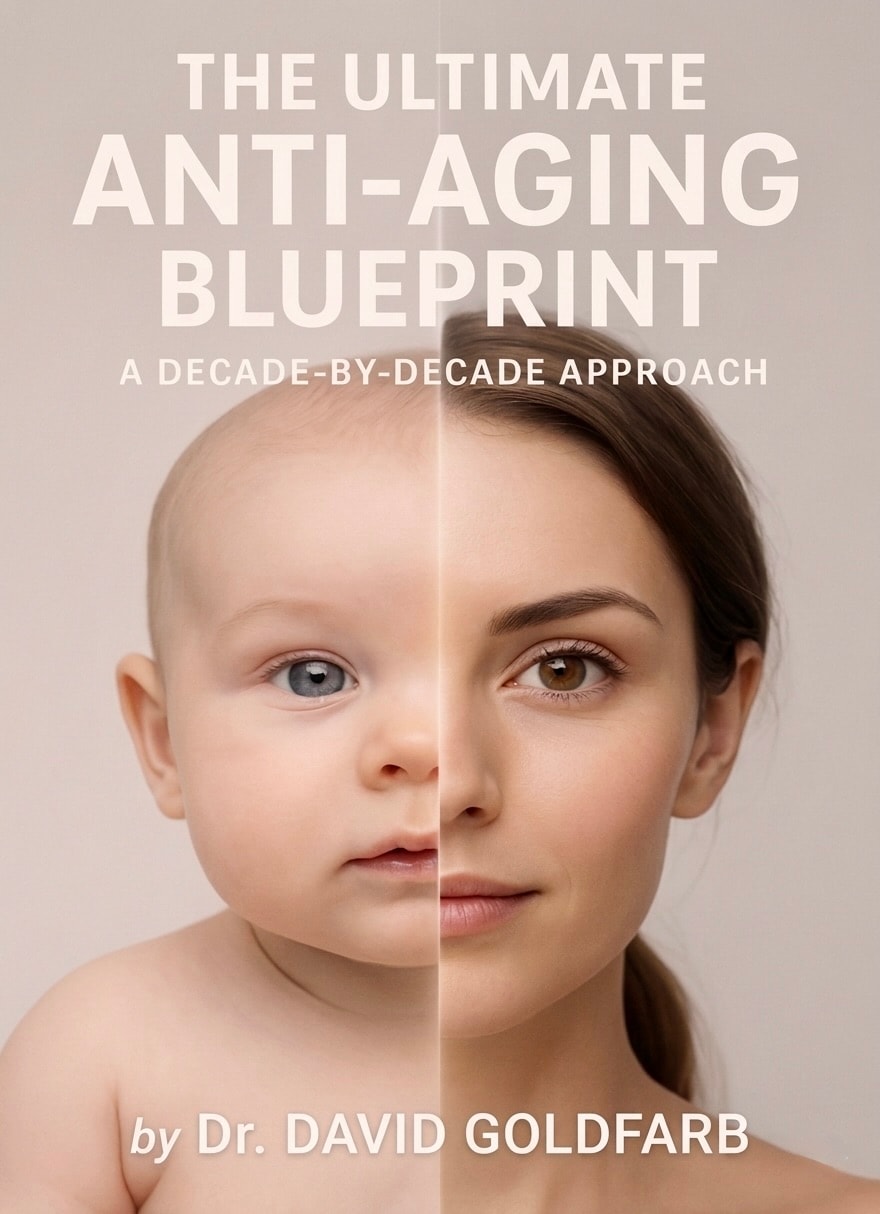
The Ultimate Anti-Aging Blueprint covers gut health as part of the nutritional science of aging, with specific guidance on dietary approaches that support the microbiome at every decade.
Explore Topics
Written by
David Goldfarb, DO, FACS
Content creator and writer sharing insights and stories.