Sleep and Aging: Why Sleep Is Your Most Powerful Longevity Tool
Sleep is not passive recovery. It's when your brain clears waste, your cells repair, and your hormones reset. The research on sleep and longevity is among the most compelling in the field.

Sleep and Aging: Why Sleep Is Your Most Powerful Longevity Tool
If you had to identify the single most underrated longevity intervention, sleep would be a strong candidate. Not because it's obscure everyone knows sleep matters but because the gap between knowing it matters and actually prioritizing it is enormous.
The research on sleep and aging is among the most compelling in the entire longevity literature. Sleep is not passive downtime. It's when some of the most important biological maintenance of your life takes place.
What Happens While You Sleep
Sleep is organized into cycles, each lasting roughly 90 minutes, that alternate between non-REM and REM stages. Each stage serves distinct biological functions.
Deep sleep (slow-wave sleep) is when the body does its most intensive physical repair. Growth hormone which plays a role in tissue repair, muscle maintenance, and metabolic regulation is released primarily during deep sleep. This is also when the immune system consolidates its response to pathogens and vaccines.
REM sleep is when the brain consolidates memories, processes emotional experiences, and performs what researchers describe as "synaptic pruning" clearing out unnecessary neural connections to make room for new learning.
The glymphatic system a waste-clearance network in the brain is most active during sleep, particularly deep sleep. It flushes out metabolic waste products including amyloid-beta and tau proteins, the same proteins that accumulate in Alzheimer's disease. This discovery, made relatively recently, has transformed how researchers think about the relationship between sleep and cognitive aging.
How Sleep Changes With Age
Sleep architecture changes significantly across the lifespan, and not in favorable ways.
Deep sleep declines. The proportion of time spent in slow-wave sleep decreases substantially from young adulthood onward. By the 60s and 70s, many people get very little deep sleep at all. This matters because deep sleep is when growth hormone is released and when the glymphatic system is most active.
Sleep becomes more fragmented. Older adults wake more frequently during the night and have more difficulty returning to sleep. This fragmentation reduces the restorative quality of sleep even when total duration appears adequate.
Circadian rhythms shift. The internal clock tends to advance with age older adults often feel sleepy earlier in the evening and wake earlier in the morning. This shift can create misalignment between biological sleep timing and social schedules.
Sleep disorders become more common. Sleep apnea, restless legs syndrome, and insomnia all increase in prevalence with age. Sleep apnea in particular is significantly underdiagnosed and has serious consequences for cardiovascular health, cognitive function, and metabolic regulation.
The Longevity Consequences
The research linking poor sleep to accelerated aging and disease is extensive.
Cardiovascular risk rises with chronic sleep insufficiency. Studies have found that sleeping less than six hours per night is associated with significantly elevated risk of hypertension, heart attack, and stroke, independent of other risk factors.
Cognitive decline is strongly associated with poor sleep quality. The glymphatic connection is particularly compelling: inadequate clearance of amyloid-beta and tau proteins over years and decades may contribute meaningfully to Alzheimer's risk. Some researchers now consider sleep optimization one of the most important modifiable risk factors for dementia.
Metabolic health deteriorates with poor sleep. Even a week of sleep restriction measurably impairs insulin sensitivity and glucose regulation. Chronic sleep insufficiency is associated with increased risk of type 2 diabetes and obesity.
Immune function is compromised. Studies have found that people who sleep less than seven hours per night are significantly more susceptible to the common cold when experimentally exposed to rhinovirus. The immune consequences of poor sleep extend well beyond catching colds.
Telomere length is affected. Multiple studies have found associations between short sleep duration and shorter telomeres a marker of accelerated cellular aging.
What the Research Supports
Duration matters. The evidence consistently points to seven to nine hours as the optimal range for most adults. Both short sleep (under six hours) and very long sleep (over nine hours) are associated with worse health outcomes, though the relationship with long sleep is more complex and may reflect underlying illness rather than cause it.
Consistency matters as much as duration. "Social jetlag" the mismatch between sleep timing on weekdays and weekends is associated with metabolic disruption and cardiovascular risk even when total sleep time is adequate. Maintaining consistent sleep and wake times, including on weekends, appears to be important.
Sleep quality matters independently of duration. Fragmented sleep, even if it totals eight hours, is less restorative than consolidated sleep. Addressing sleep apnea, reducing alcohol (which fragments sleep architecture despite its sedating effect), and managing sleep environment all affect quality.
Light exposure is a powerful lever. Morning bright light exposure helps anchor the circadian clock. Evening blue light exposure from screens delays melatonin release and pushes sleep timing later. These are not minor effects they're among the most reliable ways to shift sleep timing and quality.
The Decade Dimension
Sleep challenges shift across the lifespan. In the 30s and 40s, the primary obstacles are often behavioral late screens, irregular schedules, work stress. In the 50s and 60s, hormonal changes (particularly in women during perimenopause and menopause) create new sleep disruptions. In the 70s and beyond, the structural changes in sleep architecture become more pronounced and require different strategies.
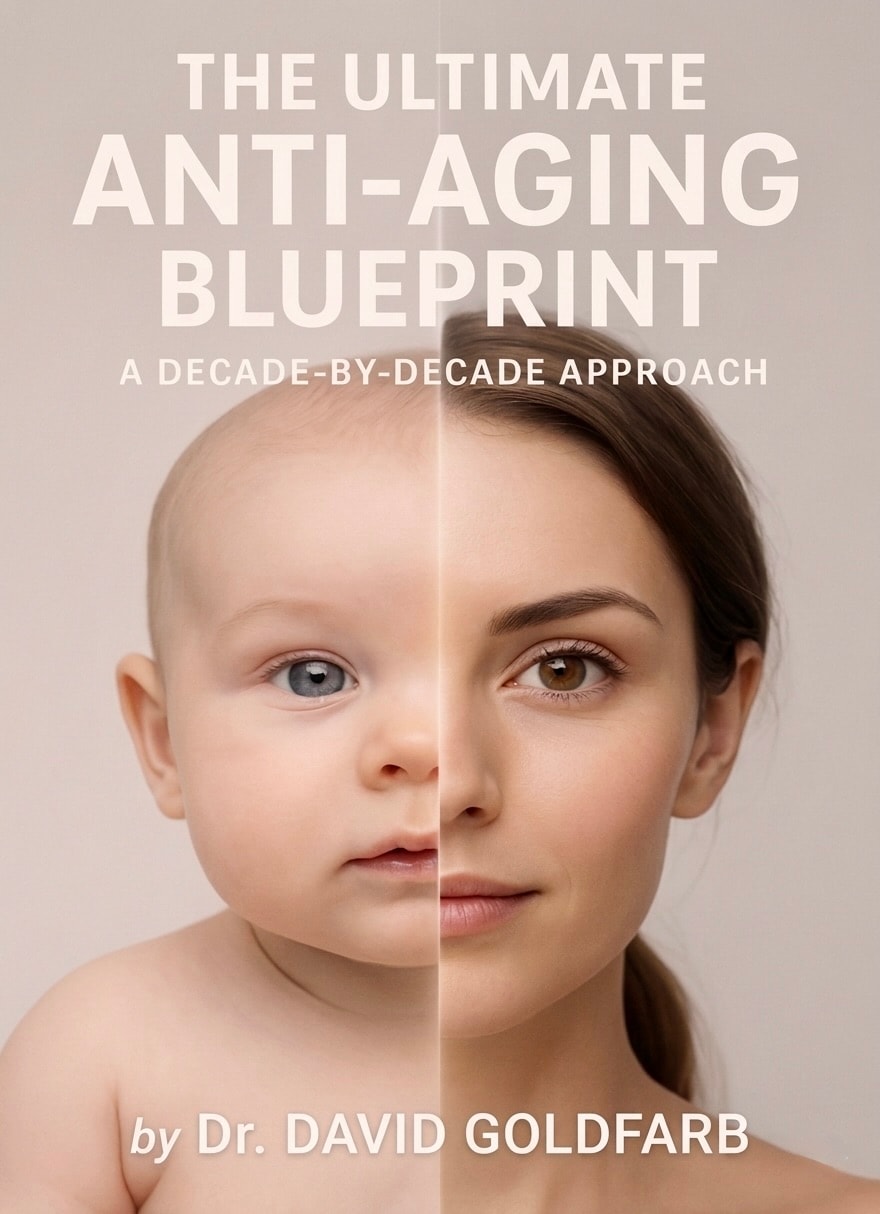
The Ultimate Anti-Aging Blueprint addresses sleep across each decade, with guidance on the specific challenges and evidence-based approaches most relevant at each stage.
The Bottom Line
Sleep is not a luxury. It's not something you can consistently shortchange and compensate for with coffee and willpower. It's a biological necessity with consequences that compound over decades.
The good news is that sleep is highly responsive to intervention. Small, consistent changes to sleep habits, environment, and timing can produce meaningful improvements in sleep quality and meaningful improvements in the biological processes that depend on it.
Explore Topics
Written by
Dr. Goldfarb
Content creator and writer sharing insights and stories.