Aging in Your 40s: The Decade of Metabolic Reckoning
The 40s are when the biological changes of earlier decades start showing up as symptoms. Understanding what is happening and why gives you the tools to respond effectively.

Aging in Your 40s: The Decade of Metabolic Reckoning
The 30s are when the biological changes of aging begin in earnest, largely below the threshold of awareness. The 40s are when those changes start to surface.
The weight that used to come off easily now resists. Recovery from exercise takes longer. Sleep feels less restorative. Energy fluctuates in ways it did not before. These are not imagined changes or signs of weakness. They are the predictable biological consequences of processes that have been underway for a decade or more, now crossing the threshold of subjective experience.
Understanding what is actually happening in the 40s is the first step toward responding effectively.
The Metabolic Shift
The most common complaint of people in their 40s is that their metabolism has changed. They are right, and the mechanisms are real.
Muscle mass continues its gradual decline, accelerating slightly from the 1% annual loss of the 30s. Since muscle is metabolically active tissue, less muscle means fewer calories burned at rest. The same diet that maintained weight at 35 may produce gradual weight gain at 45, not because of any change in eating behavior but because the metabolic engine has become slightly less efficient.
Insulin sensitivity tends to decline in the 40s, particularly in people who are sedentary or carrying excess visceral fat. Reduced insulin sensitivity means the body must produce more insulin to manage the same glucose load, which over time can progress toward metabolic syndrome and type 2 diabetes. Visceral fat, the fat stored around the organs rather than under the skin, is particularly metabolically active and drives inflammatory signaling that compounds the problem.
Hormonal changes begin to have measurable effects. In women, perimenopause often begins in the mid-to-late 40s, with fluctuating estrogen and progesterone levels producing symptoms that range from irregular cycles and sleep disruption to mood changes and hot flashes. In men, testosterone continues its gradual 1-2% annual decline, contributing to reduced muscle mass, lower libido, and changes in body composition.
Cardiovascular Risk Rises
The 40s are when cardiovascular risk factors that have been accumulating silently begin to matter clinically.
Atherosclerosis, the buildup of plaques in arterial walls, is a decades-long process. The plaques that cause heart attacks in the 50s and 60s were forming in the 30s and 40s. Blood pressure tends to rise with age, and hypertension in the 40s significantly increases lifetime cardiovascular risk. Lipid profiles often shift unfavorably, with LDL rising and HDL falling, particularly in people with poor dietary patterns or low physical activity.
The 40s are the decade when cardiovascular risk assessment becomes genuinely important. Knowing your blood pressure, lipid panel, fasting glucose, and inflammatory markers (like high-sensitivity CRP) gives you the information needed to intervene before problems become established.
Sleep Architecture Changes
Sleep quality typically begins to deteriorate in the 40s in ways that are biologically driven, not just lifestyle-related.
Slow-wave sleep, the deepest and most restorative stage, declines with age. The circadian rhythm shifts slightly earlier. Sleep becomes more fragmented. These changes have downstream effects on metabolic health, cognitive function, immune function, and the hormonal systems that regulate appetite and stress response.
Sleep apnea, which disrupts sleep architecture and drives cardiovascular and metabolic risk, becomes more prevalent in the 40s, particularly in men and in people who have gained weight. It is significantly underdiagnosed.
What the Research Supports
The interventions with the strongest evidence base for the 40s are not complicated, but they require consistency.
Resistance training becomes non-negotiable. The evidence for resistance training in preserving muscle mass, improving insulin sensitivity, and reducing cardiovascular risk is robust across all age groups, but the 40s are when the return on investment becomes most visible. Two to three sessions per week, with progressive overload, is the evidence-based minimum.
Protein intake needs attention. As anabolic sensitivity declines with age, the same protein intake produces less muscle protein synthesis. Research suggests that adults over 40 benefit from higher protein intake than younger adults, distributed across meals rather than concentrated in one sitting.
Cardiovascular fitness matters more than ever. VO2 max, the maximum rate of oxygen utilization during exercise, is one of the strongest predictors of longevity in the literature. Maintaining and improving aerobic capacity in the 40s through regular endurance exercise is one of the highest-return investments available.
Metabolic monitoring becomes important. Fasting glucose, HbA1c, lipid panel, blood pressure, and waist circumference are the core metrics that should be tracked regularly in the 40s. These numbers tell you whether the interventions are working and whether additional clinical attention is needed.
Sleep deserves deliberate attention. Prioritizing sleep duration (7-9 hours), maintaining consistent sleep timing, reducing alcohol (which fragments sleep architecture), and screening for sleep apnea if symptoms suggest it are all evidence-based approaches.
The Opportunity in the 40s
The 40s can feel like a decade of unwelcome biological news. But the research tells a more nuanced story.
The interventions that work in the 40s are the same ones that work at every age, but the 40s are when their effects become most visible and most measurable. A person who builds a consistent exercise habit, improves their diet, and addresses sleep in their 40s is not just feeling better now. They are setting the biological trajectory for their 50s, 60s, and beyond.
The changes of the 40s are real. They are also substantially modifiable. That is the honest message of the research.
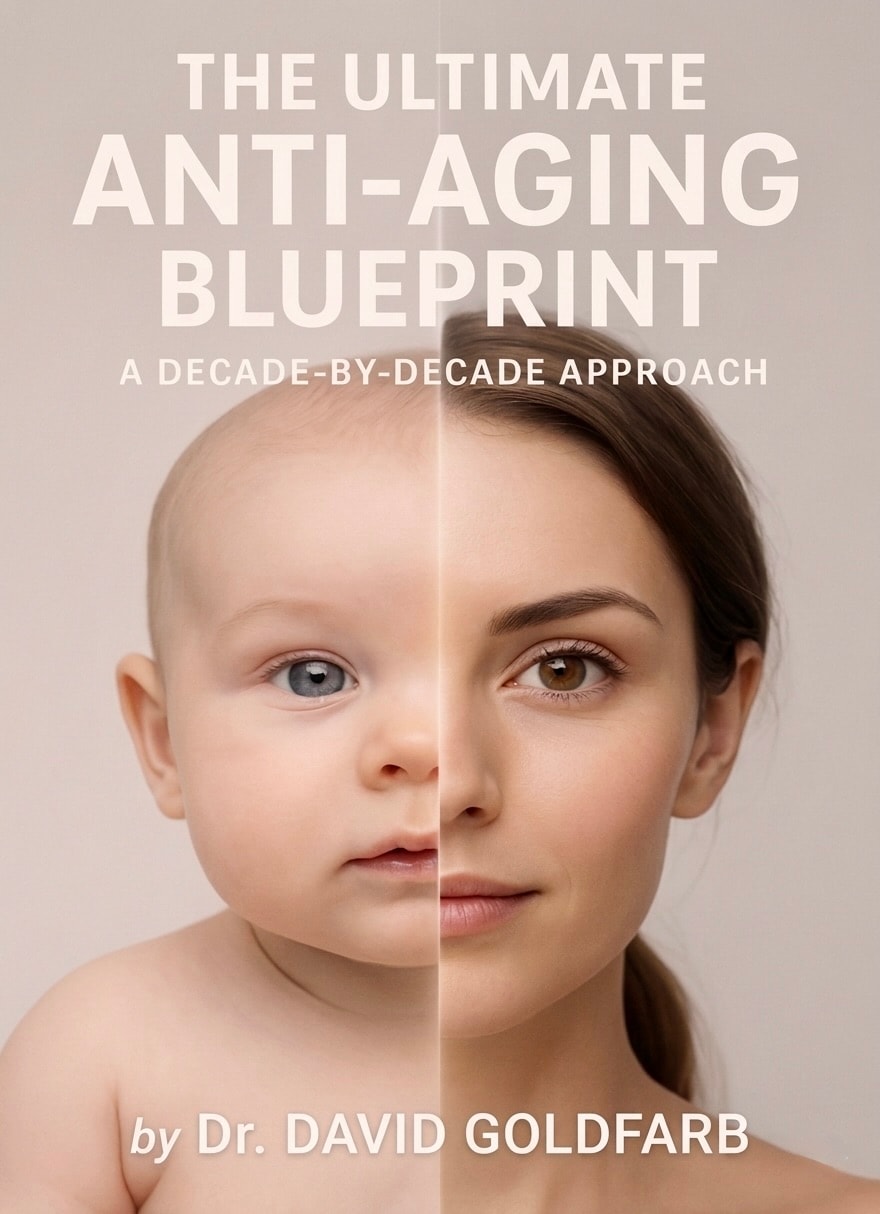
The Ultimate Anti-Aging Blueprint covers the 40s in detail, including specific guidance on metabolic monitoring, hormonal changes, and the exercise and nutrition strategies with the strongest evidence base for this decade.
Explore Topics
Written by
David Goldfarb, DO, FACS
Content creator and writer sharing insights and stories.