Aging in Your 60s: The Decade That Defines Your Next 30 Years
The 60s are when the biological changes of earlier decades become more visible and when the right interventions can make the most dramatic difference to long-term health and function.

Aging in Your 60s: The Decade That Defines Your Next 30 Years
There's a tendency to think of the 60s as the beginning of decline the decade when aging becomes undeniable and the best you can do is slow the inevitable. The research tells a more nuanced and considerably more optimistic story.
The 60s are, in many ways, a pivotal decade. The biological changes that have been accumulating since the 30s and 40s become more visible. But the interventions available and the difference they make are also more dramatic than at any earlier stage. The choices made in the 60s have an outsized effect on the quality and quantity of the decades that follow.
What's Happening Biologically
Muscle mass and strength are declining at an accelerating rate. Sarcopenia the age-related loss of skeletal muscle progresses at roughly 1-2% per year through the 50s and accelerates in the 60s. By the time most people reach their 70s, they've lost a significant fraction of the muscle mass they had at peak. This matters not just for physical appearance but for metabolic health, fall risk, functional independence, and survival after illness or injury.
Bone density continues to decline, particularly in women who are now well past menopause. The risk of osteoporotic fracture especially hip fracture rises significantly in the 60s. Hip fractures in older adults are associated with dramatically increased mortality risk in the year following the fracture.
Cardiovascular changes accumulate. Arterial stiffness increases, the heart's ability to respond to exertion declines, and the risk of atrial fibrillation rises. Cardiovascular disease remains the leading cause of death in this age group.
Cognitive changes become more noticeable. Processing speed slows. Working memory becomes less reliable. These changes are normal and do not indicate dementia but they do reflect the neural changes of aging, and they're influenced by the same lifestyle factors that affect physical health.
Immune function declines in a process called immunosenescence. The immune system becomes less effective at responding to new pathogens and vaccines, and more prone to the chronic low-grade inflammation of inflammaging.
Hormonal changes are well established by the 60s. Women are typically post-menopausal. Men are experiencing the cumulative effects of decades of gradual testosterone decline. Both affect body composition, bone density, cardiovascular health, and cognitive function.
What the Research Prioritizes
Resistance training is non-negotiable. The evidence for resistance training in the 60s is among the strongest in the entire longevity literature. It preserves muscle mass, improves bone density, reduces fall risk, improves insulin sensitivity, and has measurable effects on cognitive function. Studies have found that even people in their 80s and 90s can build meaningful muscle mass with resistance training the 60s are far from too late.
The specific approach matters. Research suggests that training to or near muscular failure working hard enough that the muscle is genuinely challenged is important for stimulating muscle protein synthesis in older adults. The stimulus required to maintain muscle increases with age.
Protein intake deserves specific attention. Older adults have reduced anabolic sensitivity the same amount of protein produces less muscle protein synthesis than it would in a younger person. Research suggests that protein requirements increase with age, and that distributing protein intake across meals (rather than concentrating it in one meal) improves utilization.
Cardiovascular fitness remains critically important. VO2 max the maximum rate of oxygen utilization during exercise is one of the strongest predictors of longevity in the literature, and its predictive power is particularly strong in older adults. Maintaining aerobic capacity in the 60s through regular endurance exercise is one of the highest-return investments available.
Fall prevention becomes a specific priority that it wasn't in earlier decades. Falls are the leading cause of injury-related death in older adults, and the consequences of a serious fall particularly a hip fracture can be life-altering. Balance training, strength training, and addressing medication side effects that affect balance are all evidence-based approaches.
Cognitive engagement matters. The research on cognitive reserve the brain's resilience to age-related changes consistently finds that intellectually stimulating activity, social engagement, and learning new skills are associated with slower cognitive decline. The 60s are a time to invest in cognitive health deliberately.
Screening and monitoring become more important. The 60s are when cardiovascular risk, cancer risk, and metabolic disease risk all rise significantly. Regular monitoring of blood pressure, lipids, glucose, bone density, and cancer screening markers is not optional at this stage it's the difference between catching problems early and discovering them late.
The Mindset Shift
One of the most important things the research on aging in the 60s reveals is that the trajectory is not fixed. Studies of older adults who begin exercise programs, improve their diets, or address sleep problems consistently find meaningful improvements in physical function, metabolic health, and cognitive performance even in people who have been sedentary for decades.
The 60s are not too late. In many ways, they're exactly the right time. The biological stakes are high enough that interventions produce visible results. The time horizon is long enough that the investments pay off. And the understanding of what matters accumulated over decades of living makes it easier to focus on what actually counts.
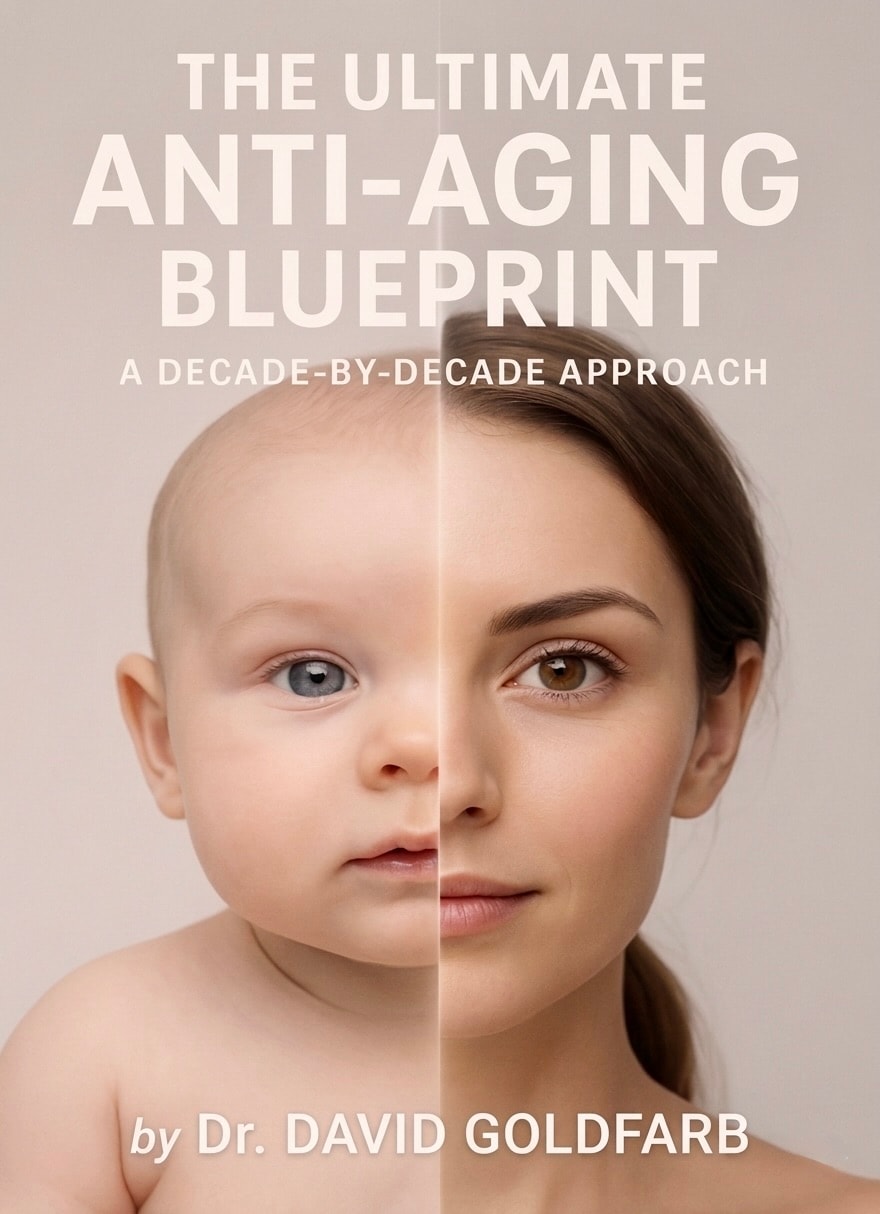
The Ultimate Anti-Aging Blueprint dedicates a full chapter to the 60s, covering the specific biological changes of this decade and the evidence-based priorities that will shape the decades that follow.
Explore Topics
Written by
Dr. Goldfarb
Content creator and writer sharing insights and stories.